
Designing and running cities in tabletop roleplaying games like Dungeons & Dragons is famously difficult. Aim for simulation and you’ll be developing the city for the rest of your life. Lean too lazily into improv and your city feels meaningless. Luckily, we have a real-world model we can learn from: theme parks.
A good theme park feels like a bustling, entertaining city in its own right. Guests move between attractions, living out enriching experiences as they go. Everything catches the eye, from nearby vendors to distant landmarks. The hustle and bustle of people and events fill the day. What would your player characters see if they just chose to sit down at a cafe and watch the day go by?
Neighborhoods as Themes
One easy way to break cities down is by focusing on neighborhoods. Each neighborhood represents a distinct, themed area of the city. The people, architecture, and experiences reinforce the theme. In Disneyland’s Toontown, you sense the themes of play and cartoon. The latter is obvious by the cartoonish buildings that bulge and angle like something out of a cartoon. Every inch of this neighborhood makes you want to play; from easily accessible cars and lampposts to fountains and play yards.
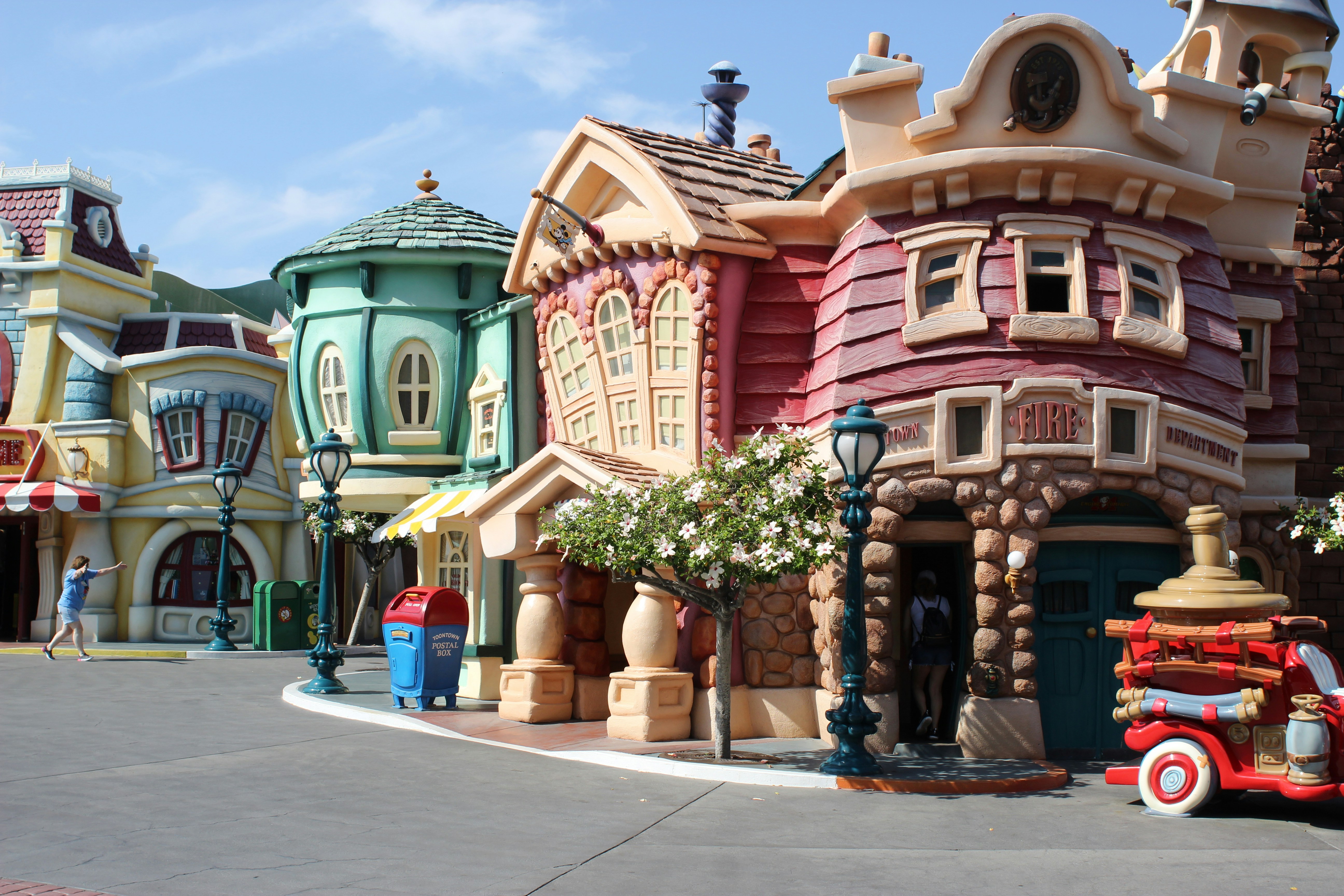
Photo by Bradley Singleton on Unsplash
We can’t describe every shop and corner for our players. But we can make a strong first impression. Deliver immediate immersion with a single focus. What’s the first thing that catches their attention? How does it reinforce the theme? One interesting neighborhood might be inspired by the idea that creativity in the absence of authority. The remains of a gargantuan, toppled statue litter the main entry. Vibrant art has been painted on the chunks of stone while trees and flourishing gardens grow around it all.
Enhance the delivery by contrasting with the previous neighborhood. In our example, the party might be coming from the main thoroughfare, lined by pristine statues and a distinct lack of color or nature. The site of the toppled statue is an immediate scene-setter.
As with any scene, engage the senses. What do they start noticing next? What is the architecture like? What about the people and observable behavior? What other sights, sounds, and smells reinforce the theme?
Locations as Attractions
In games, locations within cities serve specific purposes. We go to a tavern for a quest, information, or simply to rest. And sometimes a good bit of conflict. We don’t enjoy the tavern in an RPG the same way we enjoy a real tavern. But that means we can also design them differently. We can design them like a theme park attraction.
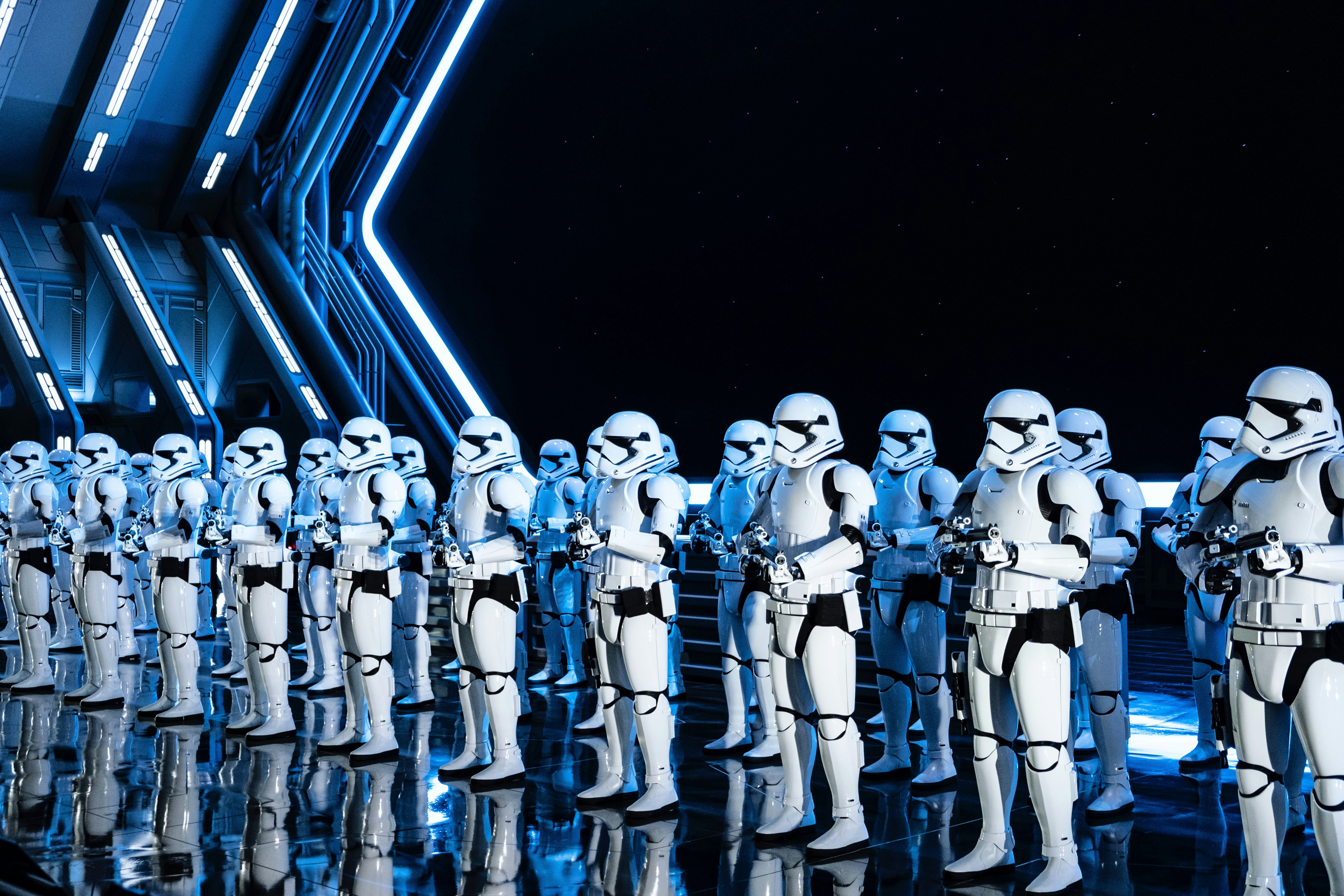
Photo by Brian McGowan on Unsplash
Each location is its own experience and story. Though it can be part of larger stories and themes from the neighborhood and city, pre-existing knowledge shouldn’t be required. Players shouldn’t have to know anything about the city, it’s history, or politics to experience the story that is the baker’s wife constantly accusing him of having an extramarital affair.
Once you have your story, design an experience around it. The baker is a silly example but let’s follow it. The shop is probably a mix of wonderful smells and a floury mess. The baker crafts pristine loaves of golden bread while his wife bakes cookies shaped like broken hearts. On occasion, she hits him with a rolling pin, sending puffs of flour into the air. By the end, the customer might be covered in flour but leaves with delicious baked goods they’re not soon to forget.
What about simple transactional locations like a shop where the party just needs a resupply? Treat it like a gift shop outside the theme park and fast forward through it. But if it’s an attraction on its own, develop it.
Theme parks and their attractions evoke feelings. Their design is guided by central themes that provide a range of experiences. We can use that same model when designing and running cities for tabletop roleplaying games. We can theme our neighborhoods and fill them with fun, engaging attractions. Cities turn from a chore into a fun-filled experience for all.
Game on.